Introduction: Bingo’s Surprising Staying Power
In a world dominated by flashy video games, hyper-realistic simulations, and complex strategy-based entertainment, it’s surprising—and rather delightful—that bingo continues to thrive. This seemingly simple game of chance has endured for centuries, adapting to each new era while maintaining its essential charm. From modest community halls to glitzy online platforms, bingo has proved time and again that it’s far more than just a game—it’s a social ritual, a source of joy, and a bridge across generations.
A Brief Look Back: Bingo’s Historical Journey
Bingo’s roots stretch back to 16th-century Italy, where a lottery game called “Il Gioco del Lotto d’Italia” was first played. From there, it found favor in France and Germany, with each region contributing slight modifications to its format. By the 20th century, the game had crossed the Atlantic and exploded in popularity in the United States, largely thanks to a toy salesman named Edwin S. Lowe. He noticed people playing a version of the game at a carnival and saw potential. With a bit of refinement and the help of a mathematician to increase card combinations, modern bingo was born. Originally used in churches and fundraising events, bingo quickly became a staple of social gatherings.
The Anatomy of the Game
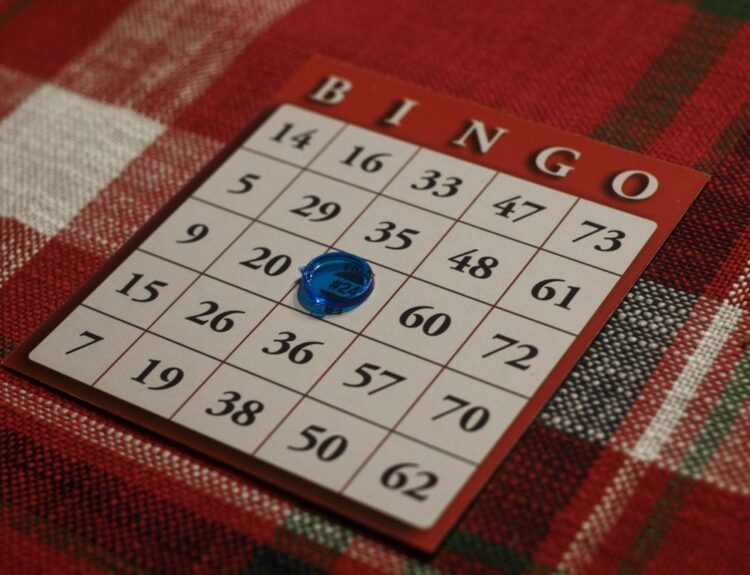
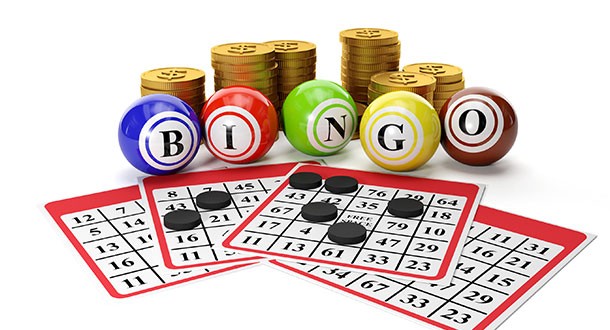
At its core, bingo is a game of anticipation and pattern recognition. Players are given cards with randomly arranged numbers, and a caller draws numbers at random. The goal? Be the first to complete a specific pattern and call out “Bingo!” It’s simple in structure, yet endlessly engaging. This ease of entry is part of what makes the game so universally appealing.
Classic bingo generally comes in a few popular formats:
-
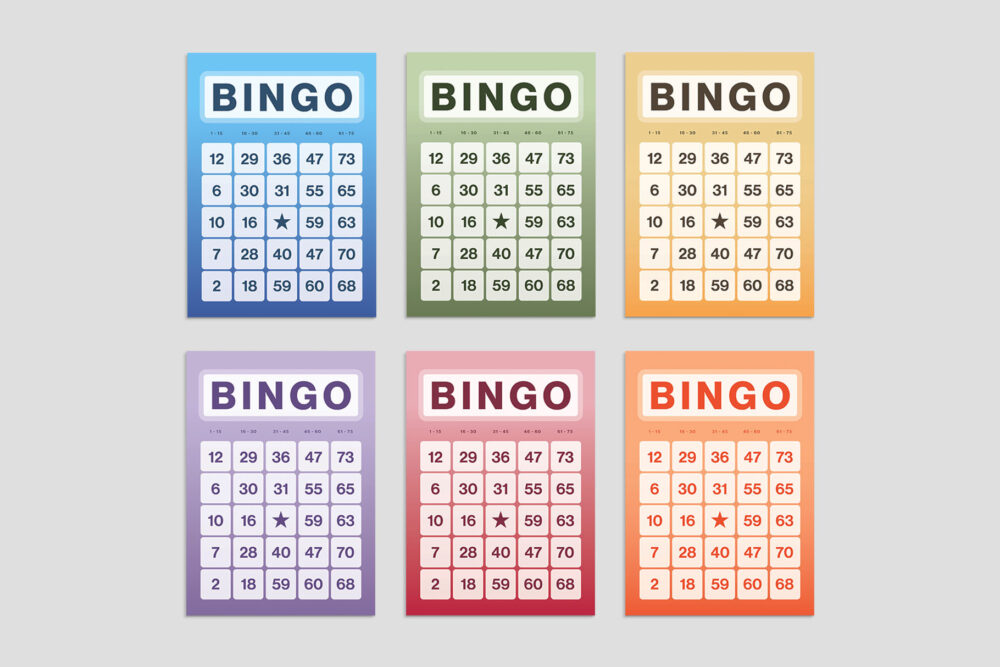
75-ball bingo: Common in North America, played on a 5×5 grid.
-
90-ball bingo: More popular in the UK and Australia, with three horizontal rows.
-
30-ball or “speed bingo”: A modern, fast-paced version for those seeking quick rounds.
Each variant has its own charm and caters to different play styles, yet all retain the same basic rules and heart-pounding suspense.
The Social Heartbeat of Bingo
What sets bingo apart from other games is its powerful social component. Traditionally played in community centers, church basements, and retirement homes, bingo has always brought people together. It’s an inclusive space where age, background, or status don’t matter. Everyone sits side by side, focused on the numbers, yet simultaneously sharing laughs, stories, and companionship. For older adults in particular, bingo nights often serve as a vital opportunity for social interaction, which contributes positively to emotional well-being and cognitive engagement.
The Digital Revolution
The internet has breathed new life into bingo, turning it from a slow-paced communal activity into a vibrant, global experience. Online bingo platforms have introduced dynamic interfaces, themed games, and interactive chat features that recreate the sense of community found in traditional bingo halls. Now, players can log on from anywhere—on a smartphone in a café or on a tablet at home—and join a virtual room full of fellow enthusiasts.
Key features of online bingo include:
-
Live chat functions to keep social interaction alive.
-
Automated number marking to reduce user error and cater to multitasking.
-
Varied themes and formats that refresh the experience, from holiday-themed bingo to character-based styles.
-
Rewards systems and loyalty programs that add an element of gamification.
Interestingly, these technological updates haven’t changed the essence of the game—they’ve simply redefined how and where it’s played.
Why Bingo Still Resonates
While many games demand skill, strategy, or quick reflexes, bingo relies almost entirely on luck. For many, this is its greatest appeal. There’s no pressure to perform; no prior knowledge or training is necessary. Anyone can play, and anyone can win. This simplicity creates a level playing field, making it one of the most democratic forms of entertainment.
Moreover, bingo appeals to our innate love for anticipation. Each number called builds tension, and every card marked moves a player closer to that exhilarating moment of victory. It’s a pure, unfiltered thrill—one that doesn’t diminish with time.
Cultural Reinvention and Popularity
Bingo isn’t just surviving—it’s thriving in new, unexpected ways. Bars and clubs are now hosting themed bingo nights—complete with music, costumes, and comedy. Drag bingo, in particular, has carved a unique niche, combining performance art with playful competition. These reinventions have drawn in younger crowds and turned bingo into a hip, social event.
Some creative forms of bingo include:
-
Music Bingo: Where songs are played instead of numbers, and players mark off song titles.
-
Trivia Bingo: Combining general knowledge questions with traditional gameplay.
-
Corporate Bingo: A fun team-building activity for modern workplaces.
These twists prove that bingo can evolve without losing its soul.
The Importance of Responsible Gaming
With the surge in online bingo and cash prizes, it’s important to acknowledge the potential for problem gambling. While bingo is generally considered a low-stakes game, the accessibility of online platforms can sometimes lead to compulsive behaviors.
To promote responsible play, many platforms now offer:
-
Deposit and spending limits
-
Self-exclusion options
-
Reality checks and time reminders
-
Support links for players experiencing difficulties
Bingo should always remain a source of joy, not stress.
A Game for the Ages
Whether it’s played in a grand bingo hall, on a laptop, or as part of a themed night out, bingo remains relevant because it offers more than just entertainment. It’s a moment of escape, a chance to connect, and a celebration of luck and laughter. In an era of constant noise and complexity, bingo offers something refreshingly simple, nostalgic, and deeply human.
Its enduring popularity is no accident. Bingo is more than a game—it’s a cultural thread, woven across decades, continents, and demographics. And as long as people crave community and joy, there will always be someone, somewhere, waiting to call out that magic word: “Bingo.”