Introduction: A Game of Numbers and Nostalgia
Few games have stood the test of time quite like bingo. What once started as a humble parlor pastime has grown into a global phenomenon with cultural, social, and digital dimensions. Whether it’s called “housey-housey” in the UK, or just “bingo” worldwide, this iconic game has moved beyond its reputation as a pastime for retirees and into the fast-paced, interconnected world of the 21st century. Today, bingo is not only alive and thriving but is also being innovatively reimagined to engage new generations.
Origins and Evolution of Bingo
Bingo’s roots can be traced back to 16th-century Italy, where a game known as “Il Gioco del Lotto d’Italia” captivated the masses. By the 18th century, the game had migrated across Europe, becoming especially popular in France and Germany. It wasn’t until the early 20th century that bingo, as we recognize it today, took shape in North America.
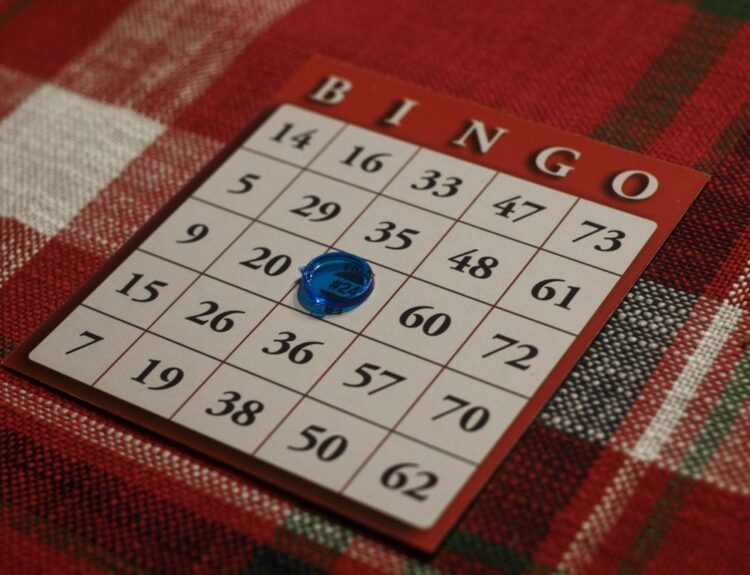
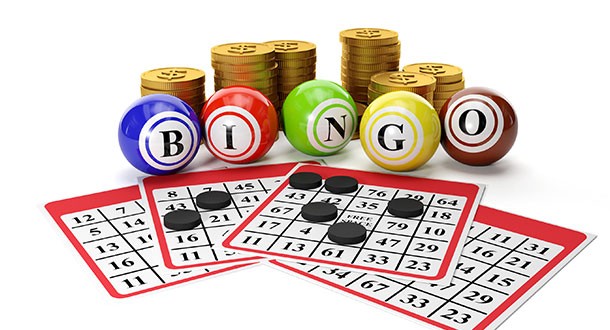
Originally popularized at church fundraisers and community events, bingo was simple, inexpensive, and accessible. A caller would read numbers at random, and players would mark their cards in hopes of completing a winning pattern. This democratic nature of the game—no prior skill required, only a bit of luck—fueled its widespread appeal.
Bingo as a Social Anchor
Historically, bingo has served more than just entertainment purposes. It has often functioned as a social adhesive, particularly in tight-knit communities and among older generations. Weekly bingo nights were about more than shouting “Bingo!”—they were spaces for laughter, conversation, and human connection.
For many, especially the elderly, these gatherings offered critical social interaction, emotional support, and a reason to look forward to the week ahead. There’s an inherent warmth in the tradition of bingo, blending the simplicity of gameplay with the richness of shared experiences.
The Digital Transformation of Bingo
As with nearly every traditional activity, bingo has undergone a digital transformation. Online bingo platforms now attract millions of players globally, blending the classic mechanics of the game with dynamic, engaging features tailored to modern audiences.
Key features of modern online bingo include:
-
Live Chat Rooms: Digital lobbies simulate real-world conversations, allowing players to chat in real time, preserving the community aspect.
-
Variety of Formats: From 30-ball speed bingo to themed variations, the game has been repackaged for all preferences.
-
Mobile Access: Bingo is now fully portable, playable on smartphones, tablets, and other mobile devices.
-
Gamification Elements: Levels, badges, and leaderboards add a competitive flair that resonates with younger audiences.
Interestingly, despite the pivot to online platforms, the core appeal of bingo—luck, excitement, and the potential for social interaction—remains unchanged.
Bingo’s Cultural Relevance and Popularity
Beyond its playful appearance, bingo has also embedded itself into popular culture. From movies and sitcoms to books and advertising, the game frequently appears as a symbol of comfort, community, and even irony.
In recent years, themed bingo nights have emerged across cities and digital spaces, ranging from “drag queen bingo” to “music bingo” and even “pub quiz bingo,” blending trivia with the traditional game format. These creative fusions breathe new life into an old classic, appealing to millennials and Gen Z without alienating older players.
The Psychology of Bingo
Why does bingo continue to charm players across generations? Part of its appeal lies in its psychological design. The randomness of number draws creates suspense, while the anticipation of winning triggers dopamine—the same neurotransmitter involved in reward and pleasure.
Additionally, bingo’s structured format provides a sense of order and predictability, which can be particularly comforting in uncertain times. The social interaction component, both in-person and online, also satisfies the human need for connection, especially in an increasingly isolated digital era.
Responsible Play and Ethical Considerations
As with all games of chance, responsible play is crucial. Bingo, while less aggressive in its gambling nature compared to slots or poker, can still foster problematic habits if not moderated. Many online platforms now include features to promote healthy engagement:
-
Self-exclusion tools
-
Deposit and loss limits
-
Time reminders to avoid excessive play
Regulation and ethical game design are essential to ensure that bingo remains a fun and inclusive experience for all.
The Future of Bingo: Innovation Meets Tradition
The future of bingo lies at the intersection of tradition and innovation. Virtual reality (VR) and augmented reality (AR) may soon redefine the online bingo experience, enabling users to walk into virtual bingo halls, interact with avatars, and experience the thrill in an immersive 3D space.
Blockchain technology and digital tokens might also become integrated, offering decentralized, transparent systems for play and rewards. Meanwhile, educational variants of bingo are increasingly being used in classrooms to teach math, language, and memory skills in an interactive manner.
Despite these changes, the game’s essence is unlikely to shift. Bingo will continue to thrive because it resonates with something fundamentally human: the joy of chance, the thrill of possibility, and the pleasure of shared celebration.
Final Thoughts: A Game That Connects Generations
Bingo’s timelessness is not an accident. Its simple premise, easy accessibility, and strong social component allow it to cross generational and cultural boundaries effortlessly. Whether played in a church basement, a seaside resort, or via smartphone under the glow of a digital interface, bingo continues to bring people together—one number at a time.
In a world that often feels fragmented and fast-paced, bingo serves as a gentle reminder that joy can come from the simplest of things—a piece of paper, a handful of numbers, and a room full of people sharing in a moment of anticipation.