Introduction: A Deck of Endless Possibilities
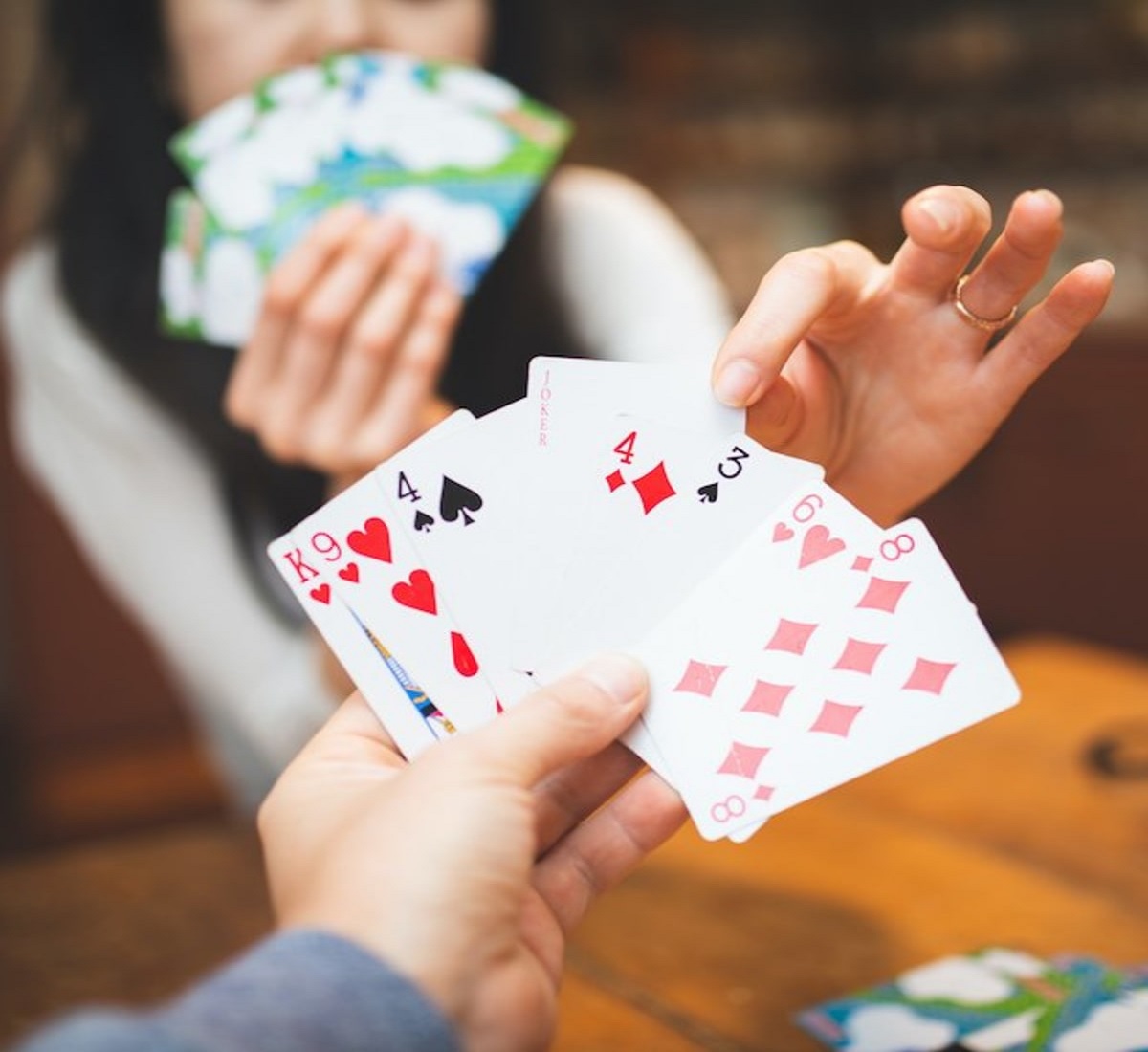
Few inventions have managed to captivate minds across generations, cultures, and continents like the humble deck of cards. Compact yet versatile, card games have transcended mere recreation to become cultural rituals, social pastimes, and even mental sports. From ancient courts in China and Persia to modern casinos and kitchen tables, card games continue to reflect a rich tapestry of strategy, chance, psychology, and tradition. Whether it’s the thrill of a high-stakes poker hand, the meditative calm of solitaire, or the raucous energy of a family game night, card games speak to a universal human desire to connect, compete, and be challenged.
A Brief History: Cards Through the Ages
The earliest known playing cards appeared in 9th-century China during the Tang dynasty. These rudimentary decks bore little resemblance to today’s standardized 52-card sets but laid the foundation for what would become a global phenomenon. By the 14th century, card games had spread to the Islamic world and then into Europe via trade routes. The suits evolved, the symbolism deepened, and eventually, the French deck—with its now-familiar spades, hearts, clubs, and diamonds—became the global standard.
Over centuries, card games have served many functions: political satire, gambling devices, storytelling tools, and methods of teaching math and memory. Their evolution reflects broader social changes, adapting seamlessly to different eras while retaining a familiar structure.
The Versatility of the Deck: Infinite Games, One Tool
What makes card games truly exceptional is the range of experiences they offer from a single deck. No other gaming format packs so much variety into such a portable medium. From casual fun to cerebral challenge, card games span genres and complexity levels.
Some popular categories of card games include:
-
Trick-taking games: Such as Spades, Hearts, and Bridge, where players compete to win “tricks” by playing higher-value cards.
-
Matching games: Like Rummy or Uno, where the goal is to form specific combinations of cards.
-
Shedding games: For example, Crazy Eights, where players aim to get rid of all their cards before others.
-
Gambling games: Including Poker, Blackjack, and Baccarat, where stakes and probability add layers of psychological tension.
-
Patience games: Like Solitaire, designed for solo play and offering a blend of focus and relaxation.
This diversity has made card games adaptable across settings—from cozy home gatherings to competitive global tournaments.
Social Connection: More Than Just a Game
One of the most beautiful aspects of card games is their inherent social quality. Sitting around a table, shuffling a deck, and dealing out cards creates a shared moment of interaction. Conversations unfold, alliances form, rivalries spark—yet all within the framework of respectful play.
Card games often serve as cultural bonding rituals. In many households, games like Go Fish or Gin Rummy are passed down through generations. In regions like India, Teen Patti is a festival staple, while in Spain, Mus is a source of regional pride. Poker nights, bridge clubs, and euchre tournaments aren’t just about winning; they’re about connection, laughter, and legacy.
The Strategy and Psychology of Card Games
While chance plays a role in many card games, the strategic dimension cannot be overlooked. Great players develop sharp memory, keen observational skills, and the ability to read subtle cues—what’s often referred to as a “poker face.” In games like Bridge or Poker, success hinges on probabilistic thinking, pattern recognition, and psychological nuance.
Strategic elements in card games include:
-
Card counting and tracking: Keeping mental tabs on cards played or remaining in the deck.
-
Bluffing and misdirection: Particularly vital in poker or bluff-heavy games like Cheat.
-
Team coordination: As seen in Bridge, where silent communication between partners can make or break a round.
-
Risk assessment: Calculating the odds and adjusting one’s play accordingly, especially when betting or wagering is involved.
These elements elevate card games into a mental sport, rewarding intelligence, patience, and emotional control.
The Digital Age: Card Games Reimagined
While traditional card games remain popular in homes and social clubs, the digital age has brought a renaissance to the genre. Online platforms, mobile apps, and AI-powered opponents have made card gaming more accessible than ever. Games like Hearthstone and Gwent have reinvented the concept entirely, merging classic principles with rich lore, fantasy artwork, and competitive esports dynamics.
Modern digital card gaming offers:
-
Global matchmaking and leaderboards that allow players to test their skills against opponents worldwide.
-
Immersive graphics and storytelling elements that add depth beyond the cards.
-
Adaptive AI opponents that mimic real player behavior.
-
Multiplayer chat and video integration to preserve social interaction in a digital format.
The evolution into the digital space doesn’t diminish the appeal of card games—it amplifies it, offering new avenues for both casual fun and serious competition.
Card Games as Tools for Learning and Development
Beyond entertainment, card games have proven to be valuable educational tools. They help children learn basic math, memory skills, pattern recognition, and logical sequencing. For older adults, card games can support cognitive health by keeping the brain active and engaged.
Benefits of playing card games include:
-
Improved focus and concentration
-
Enhanced memory retention
-
Development of critical thinking and decision-making
-
Strengthened social skills and emotional regulation
Many therapists and educators integrate card-based activities into their programs, recognizing their unique ability to combine play with growth.
Conclusion: Timeless, Universal, and Ever-Evolving
Card games are more than a leisure activity—they are cultural artifacts, mental challenges, and social glue. Their enduring popularity across centuries and continents speaks volumes about their adaptability and depth. Whether played with paper cards passed down through generations or on a screen against an AI opponent in real time, card games continue to bring joy, stimulate the mind, and foster human connection. In a world that constantly shifts between the physical and digital, card games remain a cherished constant—timeless in form, infinite in possibility.