Introduction: A Game of Chance, a World of Possibility
Few icons of entertainment are as universally recognizable as the slot machine. Whether nestled in the corner of a vintage bar or flashing across the screens of an online casino, slots have captivated players with their blend of simplicity, color, and anticipation. From their mechanical origins to the digitized innovations of today, slot machines have evolved into a global pastime, appealing to casual players and high-rollers alike. Their charm lies not just in the thrill of winning, but in the sensory-rich experience of spinning, waiting, and hoping—again and again.
A Brief History: From Liberty Bell to Global Phenomenon
The origin of slot machines dates back to the late 19th century, when Charles Fey, a San Francisco mechanic, invented the “Liberty Bell.” This mechanical device featured three spinning reels, five symbols (including horseshoes, stars, and bells), and a simple payout mechanism. With its intuitive design and automatic reward system, the Liberty Bell became an instant sensation, laying the foundation for modern slots.
In the decades that followed, slot machines evolved rapidly. Electromechanical slots emerged in the 1960s, followed by the first video slot in 1976. The 1990s saw the rise of online slot gaming, and today, players enjoy immersive 3D graphics, mobile compatibility, and even virtual reality slot environments. The modern slot is a fusion of entertainment, technology, and psychology—carefully crafted to engage players across every platform.
Mechanics of the Modern Slot Game
Despite their evolution, the core premise of slot machines remains consistent: align symbols across a set of reels to win. However, the inner workings have become far more sophisticated.
Key elements of modern slot machines include:
-
Reels and Paylines: Traditional slots featured three reels and a single payline. Today’s slots may have five or more reels and hundreds of paylines, offering more ways to win.
-
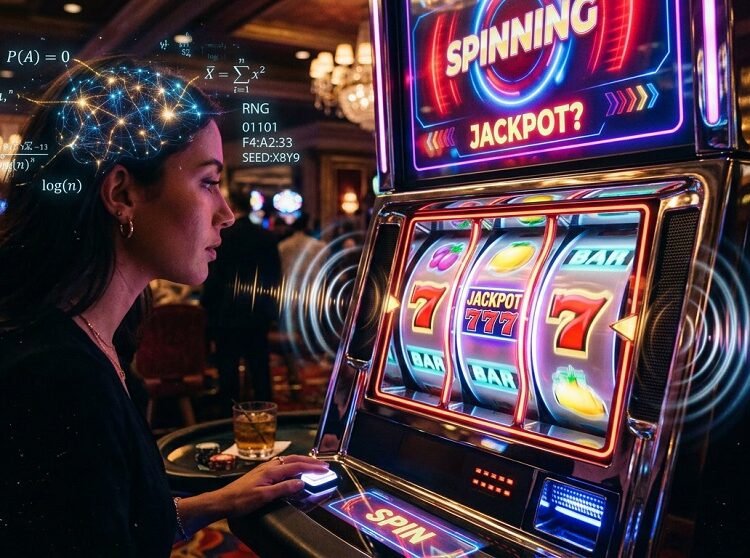
Random Number Generators (RNGs): Modern slots are powered by RNG algorithms, which ensure every spin’s outcome is independent and random. This eliminates patterns and guarantees fairness.
-
Wilds and Scatters: These special symbols often trigger bonuses, substitute for other symbols, or unlock free spins and mini-games.
-
Bonus Features: These may include pick-and-win games, free spin rounds, cascading reels, and progressive jackpots that grow with each bet placed across a network of games.
While players may see spinning reels, behind the scenes, sophisticated software dictates every outcome within a split second.
Why Slots Remain Popular: Simplicity Meets Excitement
Part of the slot machine’s enduring success lies in its accessibility. Unlike card games or sports betting, slots require no prior knowledge or strategy. Anyone can sit down, press a button, and be instantly immersed in a world of sound, color, and motion.
Core appeals of slot games include:
-
Instant Gratification: Results are delivered in seconds, with no waiting or long rounds of play.
-
Low Entry Cost: Many slot games accept small wagers, making them financially accessible.
-
Diverse Themes: From ancient Egypt and outer space to blockbuster movies and mythology, slot themes cater to every taste and interest.
-
Audio-Visual Stimulation: Dynamic animations, sound effects, and music create a sensory-rich experience that enhances engagement.
-
Progressive Jackpots: The potential for life-changing payouts adds an irresistible element of hope and suspense.
This combination of simplicity, entertainment, and possibility creates a compelling user experience unmatched in the world of gaming.
Slot Psychology: The Science of Engagement
Slot machines are not just designed—they are engineered to capture attention. Developers apply principles of psychology, neuroscience, and user experience design to make the games highly engaging, if not addictive.
Key psychological techniques used in slot design:
-
Near Misses: Symbols that almost align encourage players to keep playing, creating a false sense of being “close” to winning.
-
Losses Disguised as Wins (LDWs): Celebratory sounds and visuals play even when the payout is less than the wager, sustaining excitement.
-
Variable Rewards: The unpredictability of rewards triggers the brain’s dopamine response, reinforcing behavior similar to social media or video game rewards.
-
Personalization: Many platforms use algorithms to suggest games based on play history, creating a tailored and emotionally resonant experience.
Understanding these dynamics allows players to remain aware of the influences at play while engaging responsibly.
Digital Evolution: Slots in the Online Era
The digital age has completely transformed how and where people play slot games. No longer confined to physical machines, today’s slots are available on desktop, tablet, and mobile devices, with instant access to thousands of titles.
Features of modern online slot gaming:
-
Cross-Platform Play: Seamless experiences across devices allow users to play anytime, anywhere.
-
Live Slots and Streaming: Players can watch others spin and win in real-time, creating a communal gaming experience.
-
Gamification: Players can level up, unlock achievements, and participate in tournaments—adding a competitive element to traditional slot play.
-
Cryptocurrency Integration: Some online casinos now accept Bitcoin and other digital currencies for wagering and payouts.
Online platforms have democratized access to slots while pushing innovation in theme, format, and user experience.
Responsible Gaming: Staying in Control
As with all forms of gambling, moderation is essential. Slot games, by their nature, can become highly immersive and habit-forming if not approached with balance. Reputable platforms and casinos now offer tools and education to promote responsible gaming.
Best practices for responsible slot play:
-
Set a clear budget and stick to it
-
Use time limits or session reminders
-
Avoid chasing losses or increasing bets impulsively
-
Play for entertainment, not income
-
Utilize built-in tools like deposit limits or self-exclusion if needed
By playing mindfully, individuals can enjoy the thrill without falling into problematic patterns.
Conclusion: A Classic Game, Forever Reimagined
Slot machines have evolved from simple mechanical devices into complex, high-tech experiences that blend art, science, and emotion. Their enduring popularity is no accident—they appeal to human curiosity, imagination, and the timeless allure of possibility. In a rapidly changing world, slots remain a fascinating study in both entertainment and psychology. Whether you’re drawn by the spinning reels, the immersive themes, or the chance of a big win, slot games continue to prove that sometimes, all it takes is one spin to change everything.